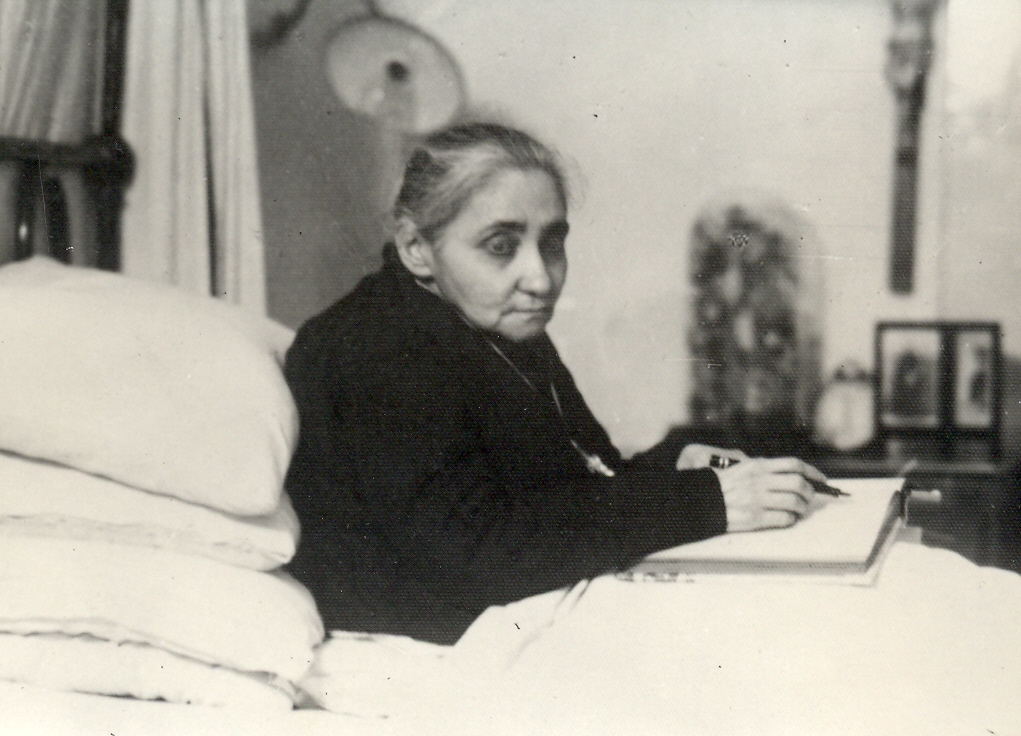
Our Lord Jesus Christ to the Servant of God, Luisa Piccarreta,
The Little Daughter of the Divine Will:
August 15, 1922 Volume 14
Accessibility Tools

Oct 03
Our Lord Jesus Christ to the Servant of God, Luisa Piccarreta,
The Little Daughter of the Divine Will:
August 15, 1922 Volume 14
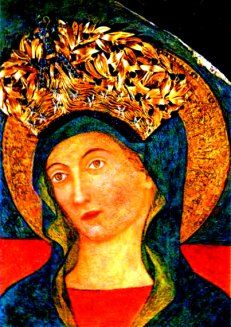
Permanent link to this article: https://luisapiccarreta.com/feast-of-our-lady-of-the-place/
Oct 02
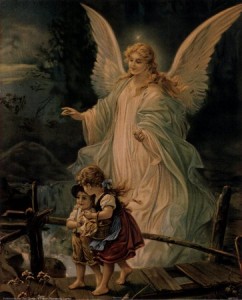
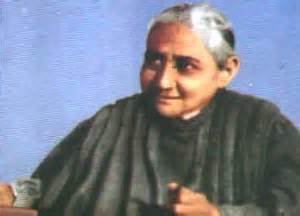
Angels in the History of the Churchby Fr. John A. Hardon, S.J.This subject is an ocean. Angels are part of the history of the Church founded by Christ for the simple reason that angels are an integral part of Christianity.Given the magnitude of this topic, I decided to concentrate on the teaching of the Catholic Church from the first through the twentieth century. After all, it is one thing to talk about the angels and appreciate their role in our lives. It is something else to know what the Church, in her highest authority, has been telling the faithful about the other half of the intelligent creation. We are so accustomed to associating Catholic doctrine about us human beings that we are liable to overlook the corresponding witness of ecclesiastical authority on the existence, nature, and activity of the angelic world of pure spirits.Our plan is to focus on successive periods in Catholic history to learn what the Church we belong to has been telling the faithful about the angels.One of the main factors which has evoked Church teaching has been the rise of error in angelology. After all, in God’s providence this is one reason why He allows error. It serves as a stimulus for a deeper understanding of revealed truth.First CenturyTowards the end of the first century, about 90 AD, Pope St. Clement I published a famous letter to the Corinthians who were having trouble. Bishops and priests were in conflict with one another; the laity were in conflict with the clergy. Pope Clement wrote to the Corinthians not so much to reprimand them as to assist them to cope with what he called their natural envy of those in authority by those who were supposed to submit and obey.In advising the Corinthians, the Pope first of all told them to be subject to the will of God. Then he urged them to “consider the whole multitude of the angels, how they stand to minister to the divine will.”The logic of Pope Clement was that the angels who remained faithful by their submission to God’s will were rewarded with heavenly beatitude. They are also the ones who are sent to help us cope with the deepest problem in our own lives. This is the problem of subjecting ourselves to those in legitimate authority as an act of loving submission to the will of God.Fifth and Sixth CenturiesFour centuries later, a bishop by the name of Priscillian developed his own ideas about God and the world of creation. He made the astounding claim that the angels were mere emanations of the Godhead.Clearly this was simply a form of pantheism, which claimed that spiritual beings are not really distinct from God. He is therefore not their Creator. Pope Leo I condemned Priscillianism as blasphemy but it took another century before this heresy was condemned in detail. Priscillian himself was executed by civil authority in 385 AD, but his ideas prevailed over the centuries. In fact they are still deeply pervasive in our day.At root, Priscillianism is just another form of Manichaeism. Both heresies claim that there are two creators, one good and the other evil. They are in constant conflict with one another.At the Council of Braga in Portugal in 565 AD, a series of anathemas was issued against Priscillian. Some of these will sound very familiar to what is going on in our day:
Behind these errors is the basic falsehood that the material world is essentially evil. It is supposed to be the creation of the evil spirit, who is himself a deity.As the Church’s history shows, this is almost a pattern of all moral error, denying that we ourselves have a free will.Thirteenth CenturyThe most authoritative declaration of the Church on the angels was made by the Fourth Lateran Council in 1215 AD.Not coincidentally two of the most influential religious orders in Catholic history came into existence about the same time, the Order of Preachers founded by Saint Dominic and the Franciscans by Saint Francis of Assisi.Fourth Lateran had to cope with a resurgent Manichaeism, now masked under a new name as Albigensianism. Whole dioceses in France, Belgium, and Germany were infected by this doctrinal disease. A major war had to be fought to curb the social disasters that followed on embracing Albigensianism. Once again, the underlying issue was the origin of moral evil in the world. Is it the product of an evil deity or the result of human beings voluntarily resisting the will of God?It is worth quoting at length from the infallible definition of Fourth Lateran. Why? Because it is the most authoritative dogma of our faith on the whole angelic world, whether good or evil.The definition begins with the most extensive profession of faith on the nature of God.We firmly believe and profess without qualification that there is only one true God, eternal, immense, unchangeable, incomprehensible, omnipotent, and indescribable.Why this extensive profession of faith in the attributes of God? Because God is a pure uncreated Spirit. If we are to understand the angels, we must be able to clearly distinguish between the infinite Spirit who is God and the finite spirits who are angels.Having defined God as the infinite Being who cannot not exist, the council goes on to identify God as the Source of all other beings.[He is] Creator of all things visible and invisible, spiritual and corporeal, who by His almighty power, from the very beginning of time, has created both orders of creatures in the same way out of nothing; the spiritual or angelic world and the corporeal or visible universe.As an interim, the council declares that God created man who belongs to both orders since he is composed of spirit and body.The next part of the Lateran definition is the main reason for this infallible teaching. The Manichaeism which seduced the genius who became St. Augustine had to be condemned once more. This time the issue at stake is how the devil became a devil. Was it because he is an uncreated evil being or did he become evil by his own free will?The devil and the other demons were created by God good according to their nature, but they made themselves evil by their own doing.There is one more question that the council had to answer: How is man a sinner? Is he a sinner by necessity, or by his own free choice? Hence the following declaration:As for man, his sin was at the prompting of the devil.We may say that the whole foundation of the Church’s doctrine on the angels is contained in this irreversible teaching of the Fourth Lateran Council.Sixteenth CenturyThe most extensive dogmatic teaching of the Catholic Church in her twenty centuries of history was occasioned by the rise of Protestantism. The Council of Trent gave us a volume of infallible doctrine covering the whole span of Christian revelation.Within three years of Luther’s defection from Catholic unity, Pope Leo X (in 1520) condemned one of his cardinal errors. The condemned heresy reads, “after sin, free will is a term without meaning; and when it does what is in its power, it sins mortally.”On these terms, using the free will to invoke the angels would be not only meaningless but gravely sinful.Over the centuries, Protestant leaders and writers have not departed from this position. No doubt some Protestants have compromised on the original teaching of the sixteenth century and allowed their followers to pray to God. But even here, the prayer is not something that we freely choose to do and thereby obtain grace from God because we have prayed for divine help.What Protestants have never compromised on, however, is praying to the angels and saints to ask them to intercede for us at the throne of God. Even when they speak eloquently about the providential role of angels as agents of God, they never budge on what is basic Catholic teaching, that we can invoke the angels and ask them to obtain from God what we need.The following statement from a contemporary scholar and co-editor of the Christian Research Journal could not be more clear:God’s provision of angels should bring much consolation to us during our earthly sojourns as we make our way to the heavenly city. We may therefore rejoice over the fact that God’s holy angels encamp around us, defending us day and night from unseen enemies and unapprehended dangers. However, we must never let the angels come between us and God. We are not to look to the angels for our refuge, nor are we to invoke their aid. God is our refuge and we are to invoke His aid – and at His prerogative, the angels will render assistance as He directs. (Rhodes, “Angels Among Us,” 215)The error which Pope Leo X condemned, which denied human liberty, needs to be stressed in our reflection on the angels. Our freedom in cooperating with God’s grace to invoke the angels is at the heart of Catholic Christianity. With an avalanche of angelic literature in our day, we dare not ignore this article of our faith that the angels are divine intercessors, whom we are to invoke on our way to heaven.Twentieth CenturyWith the rise of angelic popularity throughout the Western world, it is not surprising that the modern popes have written and spoken extensively about the angels. The most elaborate treatment of angelology in our day was a series of six conferences by Pope John Paul II given in St. Peter’s Square as part of His catechesis on the existence, mission, and role of the angels in our personal and social lives.Given the importance of this teaching, it might be useful to identify each of these six areas of angelology.Angels in God’s Providence. The Holy Father first of all defends the existence of angels. This is widely denied in our materialistic society. He quotes a modern theologian who acutely observes, “If one wishes to get rid of the angels, one must radically revise sacred scripture itself, and with it the whole history of salvation.”What the Pope wishes to mainly bring out is the role of the angels in the providence of God. Divine providence is manifested precisely in the creation of purely spiritual beings, so as to better express the likeness of God in creatures who are superior to all that God made in a visible world including man.God who is absolutely perfect Spirit, is reflected especially in spiritual beings which by nature, that is by reason of their spirituality, are nearer to Him than material creatures, and which constitute as it were the closest circle to the Creator.Divine providence is God’s eternal plan for the world. Every creature is meant to cooperate with other creatures for the eventual good of the whole universe. The angels have the highest role in this providential plan.Angelic Freedom. By creating free beings, God intended the world to express its highest perfection in the practice of true love. That is why He created angels and human beings.At the center of Catholic doctrine on the angels is the co-existence of good and evil spirits. Originally all the angels were good. They were all in possession of God’s grace, and all destined for the beatific vision. But, they had a free will enlightened by faith. What happened?The good [angels] chose God as the supreme and definitive Good, known to the intellect enlightened by revelation. To have chosen God means that they turned to Him with all the interior force of their freedom, a force which is love. God became the total and definitive scope of their spiritual existence.The others instead turned their backs on God contrary to the truth of the knowledge which showed Him as the total and definitive good. Their choice ran counter to the revelation of the mystery of God whose grace made them partakers of the Trinity and of the eternal friendship with God in communion with Him through love. On the basis of their created freedom, they made a radical and irreversible choice on the level of that of the good angels, but diametrically opposed. Instead of accepting a God full of love, they rejected Him, inspired by a false sense of self-sufficiency, of aversion and even of hatred which was changed into rebellion.This long quotation from the Vicar of Christ was worth making to teach us the contrary roles that the angels and the devils play in our lives. The good angels inspire us to follow their example of choosing God as our final Good. The devils instigate us to choose ourselves contrary to the will of God.The Mission of the Angels. After describing the good angels as meriting the vision of God, the Pope explains how they have been messengers of God from the dawn of human creation. The Old Testament might almost be called a testament of angelic service to the human race. In every period of pre-Christian history, angels are at the service of the Chosen People.With the coming of Christ, the angels become an integral part of the Savior’s ministry. From His Incarnation in the womb of Mary to His Ascension into heaven, angels served our Lord so constantly that, without them, the Gospels would not be intelligible. They not only served the Master during His visible stay on earth but, we are assured, continue to serve His Church until the last day. Then, to close angelic history, the angels will accompany the Savior when He comes to judge all the living and the dead.The Angels in Our Lives. Drawing on the massive evidence of Scripture and Tradition, Pope John Paul brings out how important the angels are in our own spiritual lives. Unlike us, they have no bodies, but how it needs to be emphasized that they are not “nobodies.” Our materialistic culture has seduced millions into identifying reality with materiality and has practically identified spirituality as unreality.Not only are the angels real but they are our constant guides and protectors as we go through time into eternity.The Church confesses her faith in the guardian angels, venerating them in the liturgy with an appropriate feast and recommending recourse to their protection by frequent prayer, as in the invocation ‘Angel of God’. This prayer draws on the treasure of the beautiful words of St. Basil “Everyone of the faithful has beside him an angel as tutor and pastor, to lead him to life.”Certainly the angels are important in our lives. Better still, they are indispensable.Satan the Liar and Murderer. Divine revelation teaches us that the devil is a liar by his very fallen nature. He lied to our first parents when he seduced them to disobey God. Throughout the Bible, Satan was the arch-deceiver who misled so many people to reject the love of God. It was Satan who entered the heart of Judas and led him to betray Jesus Christ.The Bishop of Rome quotes our Lord as saying that the devil was “A murderer from the beginning and has not stood on the truth because there is no truth in him.” The first meaning of the devil as murderer is his ambition to destroy “the supernatural life of grace and love” in human beings. Needless to say he has been diabolically successful in this ambition.The devil’s tactic, as the Pope explains, is to use deceit for the mind to mislead the will into sin. The most basic lie in the devil’s vocabulary is the claim that we, and not God, are masters of our own lives.Christ’s Victory Over the Devil. You will notice that the Holy Father divides his reflections on the angels almost equally into two parts. In the first part, he concentrates on the good angels. In the second part, his focus is on Satan and the evil spirits.We are reminded that the devil is the prince of this world. This is the world of which Christ said, “I do not pray for the world.” It is the world of those who, like Satan, refuse to repent.All that we know of human history tells us there has been a constant struggle between Christ and Satan, between the followers of Jesus and the followers of Lucifer. What we dare not forget is that the future of this conflict is predicted. By His death on the cross, Christ has conquered the demonic forces that are hell-bent on destroying the spiritual life of the human race, and casting them into the second death which is St. John’s synonym for hell.Before we close this article, it is worth quoting what the Supreme Pontiff tells us about the final victory.This is the great certainty of the Christian faith: “The prince of this world has been judged; the Son of God has appeared, in order to destroy the works of the devil.”It is therefore the crucified and risen Christ who has revealed Himself as that “stronger One” who has overpowered “the strong one,” the devil, and has cast him down from his throne.The Church shares in Christ’s victory over the devil, for Christ is given to His disciples to cast out the demons. The Church has this victorious power through faith in Christ and prayer.Anyone who sees what is going on in the modern world has no doubt how active the devil is in our day. Once civilized nations legalizing the murder of the unborn; millions suffering dire poverty without even the means of staying alive; the Catholic Church undergoing the worst persecution in her twenty centuries of history – all of these are eloquent witness to the power of the devil in our day.What Pope John Paul warns us against is discouragement that may even tempt some people to despair. The widespread success of the prince of this world in our times is really a powerful inspiration to great confidence in Jesus Christ. Never have the words of St. Paul been more relevant than today, “Where sin has abounded, there grace will even more abound.” Christ and not Satan will win the final victory over the human race.Suppose we close with a prayer to St. Michael.Saint Michael the Archangel, defend us in battle, be our protection against the wickedness and snares of the devil; may God restrain him we humbly pray, and do thou O prince of the heavenly Host, by the power of God, cast into hell Satan and the other evil spirits who prowl about the world seeking the ruin of souls. Amen. |
Permanent link to this article: https://luisapiccarreta.com/feast-of-the-holy-guardian-angels/
Oct 01

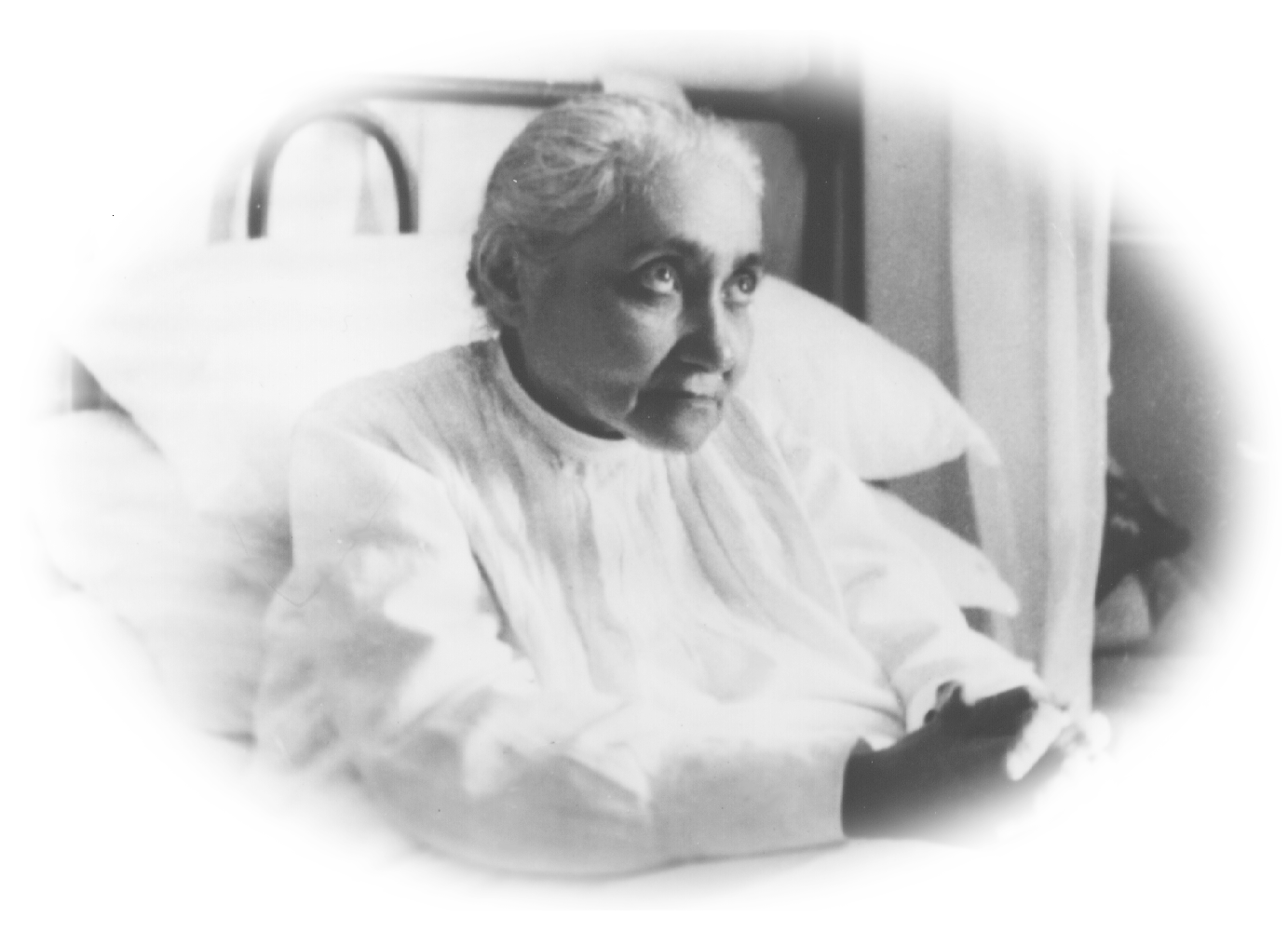
The Servant of God, Luisa Piccarreta the Little Daughter of the Divine Will
(Note the Holy Card of St. Therese at the foot of the Crucifix)
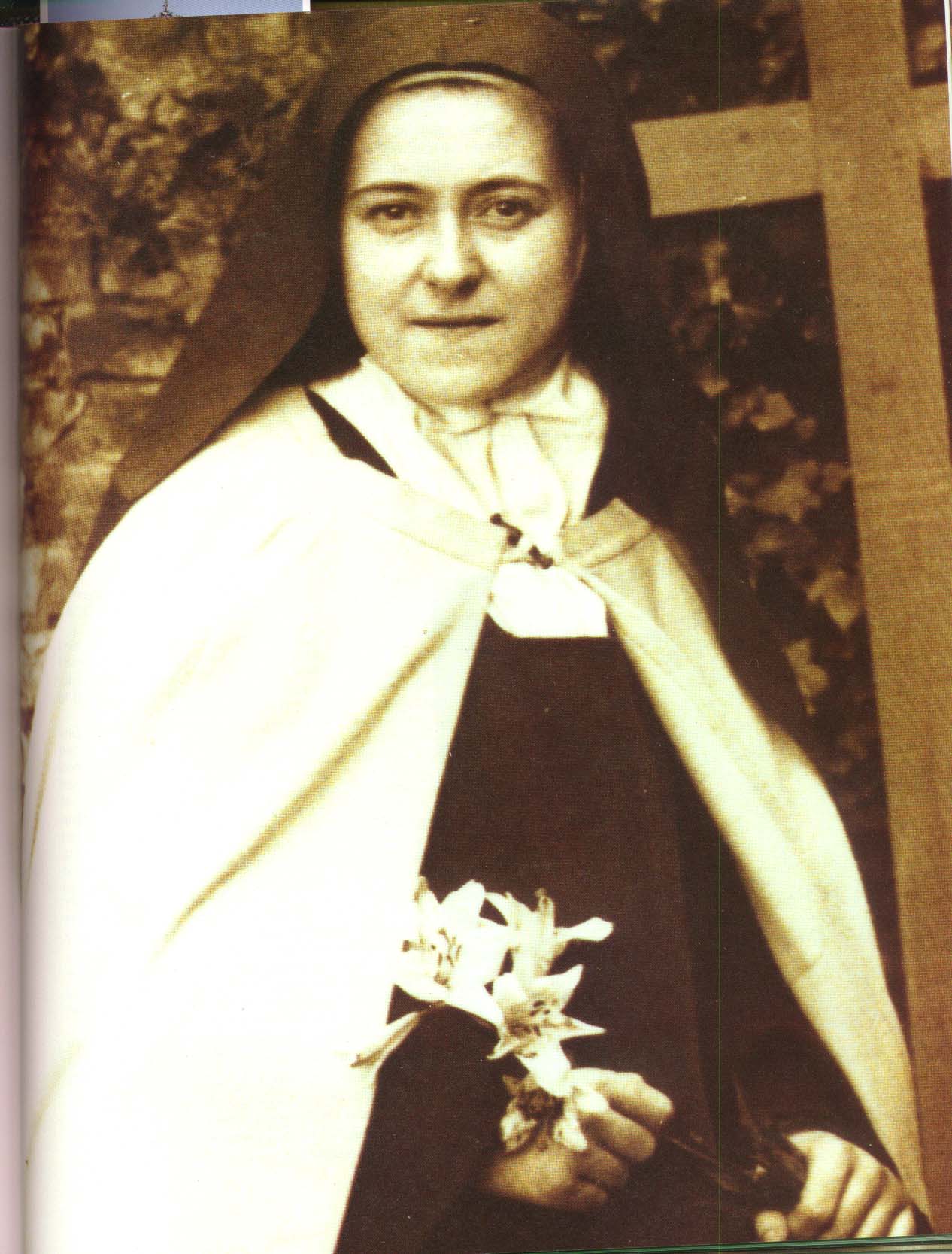
St. Therese of Lisieux was a favored Saint
of the Servant of God, Luisa Piccarreta the Little Daughter of the Divine Will
| BirthdayBaptismDeath of her Mother, Zelie GuerinPauline, her sister, enters Carmel
Our Lady’s Smile; Therese Healing First Communion Confirmation Christmas Conversion Audience with Pope Leo XIII Entry into Carmel Profession of Vows Death of her Father, Louis Martin Her Death, Entry into Heaven Her autobiography “Story of a Soul” is published Cause of Beatification Introduced at Rome Beatification Canonization Declared Doctor of the Church |
January 2, 1873January 4, 1873August 28, 1877October 2, 1882
May 13, 1883 May 8, 1884 June 14, 1884 December 25, 1886 November 20, 1887 April 9, 1888 September 8, 1890 July 29, 1894 September 30, 1897 September 30, 1898 June 10, 1914 April 29, 1923 May 17, 1925 October 19, 1997 |
The Beatification of Louis and Zelie Martin
On Saturday, July 11, 2008, 7:00P.M., it was announced that Louis and Zelie Martin, parents of St. Therese of Lisieux, will be beatified on Mission Sunday this year.
Louis and Zelie Martin
THE WATCHMAKER – Louis Martin
Louis Martin (1823 – 1894) was a watchmaker by trade, and quite a successful one. He also skillfully managed his wife’s lace business. But, as with so many men, Louis’ life had not turned out at all the way he had planned.
Born into a family of soldiers, Louis spent his early years at various French military posts. He absorbed the sense of order and discipline that army life engenders. His temperament, deeply influenced by the peculiar French connection between the mystical and the military, tended toward things of the spirit.
At twenty-two, young Louis sought to enter religious life at the monastery of the Augustinian Canons of the Great St. Bernard Hospice in the Alps. The blend of courage and charity the monks and their famous dogs manifested in rescuing travelers in Alpine snows appealed powerfully to Louis Martin. Unfortunately, the Abbot insisted the young candidate learn Latin. Louis, whose bravery would have carried him to the heights of the Alps in search of a lost pilgrim, got himself lost among the peaks and valleys of Latin syntax and grammar. His most determined efforts failed. He became ill and dispirited, and abandoned his hopes for the monastic life.
Eventually, Louis settled down in Alencon, a small city in France, and pursued his watchmaking trade. He loved Alencon. It was a quiet place and he was a quiet man. It even had a lovely trout stream nearby, offering him the opportunity to pursue his favorite recreation.
THE LACE MAKER – Zelie Guerin Zelie Guerin
Most famous of Alencon’s thirteen thousand inhabitants were its lace makers. French people greatly admired the skill and talent required to produce the exquisite lace known throughout the nation as Point d’ Alencon.
Zelie Guerin (1831 – 1877) was one of Alencon’s more talented lace makers. Born into a military family, Zelie described her childhood and youth as “dismal.” Her mother and father showed her little affection. As a young lady, she sought unsuccessfully to enter the religious order of the sisters of the Hotel-Dieu. Zelie then learned the Alencon lace-making technique and soon mastered this painstaking craft. Richly talented, creative, eager, and endowed with common sense, she started her own business and became quite successful. Notable as these achievements were, Zelie was yet to reveal the depths of the strength, faith, and courage she possessed.
THE MARTINS
Louis Martin and Zelie Guerin eventually met in Alencon, and on July 13, 1858, Louis, 34, and Zelie, 26, married and began their remarkable voyage through life. Within the next fifteen years, Zelie bore nine children, seven girls and two boys. “We lived only for them,” Zelie wrote; “they were all our happiness.”
The Martins’ delight in their children turned to shock and sorrow as tragedy relentlessly and mercilessly stalked their little ones. Within three years, Zelie’s two baby boys, a five year old girl, and a six-and-a-half week old infant girl all died.
Zelie was left numb with sadness. “I haven’t a penny’s worth of courage,” she lamented. But her faith sustained her through these terrible ordeals. In a letter to her sister-in-law who had lost an infant son, Zelie remembered: “When I closed the eyes of my dear little children and buried them, I felt sorrow through and through….People said to me, ‘It would have been better never to have had them.’ I couldn’t stand such language. My children were not lost forever; life is short and full of miseries, and we shall find our little ones again up above.”
The Martins’ last child was born January 2, 1873. She was weak and frail, and doctors feared for the infant’s life. The family, so used to death, was preparing for yet another blow. Zelie wrote of her three month old girl: “I have no hope of saving her. The poor little thing suffers horribly….It breaks your heart to see her.” But the baby girl proved to be much tougher than anyone realized. She survived the illness. A year later she was a “big baby, browned by the sun.” “The baby,” Zelie noted, “is full of life, giggles a lot, and is sheer joy to everyone.” Death seemed to grant a reprieve to the Martin household. Although suffering had left its mark on mother and father, it was not the scar of bitterness. Louis and Zelie had already found relief and support in their faith.
The series of tragedies had intensified the love of Louis and Zelie Martin for each other. They poured out their affection on their five surviving daughters; Marie, 12, Pauline, 11, Leonie 9, Celine, 3, and their new-born. Louis and Zelie named their new-born; Marie-Francoise-Therese Martin. A century later people would know her as St. Therese, and call her the “Little Flower.”
Permanent link to this article: https://luisapiccarreta.com/feast-of-st-therese-the-little-flower/
Sep 29
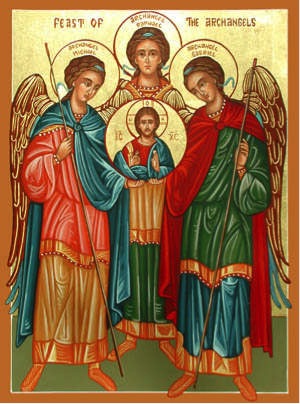
Permanent link to this article: https://luisapiccarreta.com/feast-of-the-archangels-st-michael-st-raphael-and-st-gabriel/
Sep 27
Permanent link to this article: https://luisapiccarreta.com/the-holy-mass/