Accessibility Tools

FEAST OF THE VISITATION

The Virgin Mary in the Kingdom of the Divine Will
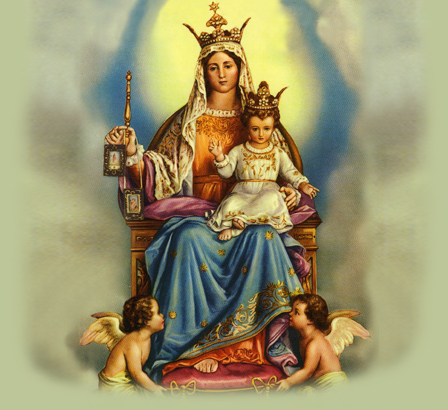
Queen of the Divine Will

by

Servant of God Luisa Piccarreta

The Little Daughter of the Divine Will


 In the Ardor of Her Love, feeling Herself the Mother of Jesus, Mary sets out in search for Hearts to be Sanctified.

Visit to St. Elisabeth; Sanctification of John.


The soul to her Celestial Mother:

 Celestial Mama, your poor child has extreme need of You! Since You are my Mother and the Mother of Jesus, I feel the right to be near You, to place myself at your side, and to follow your steps in order to model mine. Holy Mama, give me your hand, and take me with You, that I may learn to behave well in the different actions of my life.

 Lesson of the Queen of Heaven:

 Blessed child, how sweet is your company to Me! In seeing that you want to follow Me to imitate Me, I feel refreshment for the flames of love which devour Me. Oh, yes, having you near Me, I will be able to teach you more easily how to live of Divine Will. While you follow Me, listen to Me.

As I became Mother of Jesus and your Mother, my seas of love doubled, and unable to contain them all, I felt the need to pour them out, and to be the first bearer of Jesus to creatures, even at the cost of great sacrifices. But, what am I saying – sacrifices? When one really loves, sacrifices and pains are refreshments; they are reliefs and outpourings of the love one possesses. Oh, my child, if you do not feel the good of sacrifice, if you do not feel how it brings the most intimate joys, it is a sign that the Divine Love does not fill all your soul, and therefore that the Divine Will does not reign as Queen in you. It alone gives such strength to the soul as to render her invincible and capable of bearing any pain.

Place your hand upon your heart, and observe how many voids of love there may be in it. Reflect: that secret self-esteem, your becoming disturbed at every slightest adversity, those little attachments you feel to things and to people, that tiredness in good, that bother caused in you by that which is not to your liking, are equivalent to as many voids of love within your heart; voids which, like little fevers, deprive you of the strength and of the desire to be filled with Divine Will. Oh, how you too will feel the refreshing and conquering virtue in your sacrifices, if you fill these voids with love!

My child, give Me your hand now, and follow Me, as I continue to give you my lessons.

So I departed from Nazareth, accompanied by Saint Joseph, facing a long journey, and crossing mountains to go visit Elisabeth in Judea, who, in her advanced age, had miraculously become a mother.

I went to her, not to make a simple visit, but because I burned with the desire to bring her Jesus. The fullness of grace, of love and of light that I felt within Me, pushed Me to bring, to multiply – to increase a hundredfold the life of my Son in creatures.

Yes, my child, the love of Mother which I had for all men, and for you in particular, was so great that I felt the extreme need to give my dear Jesus to everyone, that all might possess Him and love Him. The right of Mother, given to Me by the Fiat, enriched Me with such power as to multiply Jesus as many times as there are creatures who want to receive Him. This was the greatest miracle I could perform: to have Jesus ready to give to whomever desired Him. How happy I felt!

How I wish that you too, my child, in approaching and visiting people, would always be the bearer of Jesus, capable of making Him known, and yearning to make Him loved.

After many days of travel, finally I arrived in Judea, and I hastened to the house of Elisabeth. She came toward Me in feast. At the greeting I gave her, marvelous phenomena occurred. My little Jesus exulted in my womb, and fixing little John in the womb of his mother with the rays of His Divinity, He sanctified him, gave him the use of reason, and made known to him that He was the Son of God. And John leaped so vigorously with love and with joy that Elisabeth was shaken. Touched by the light of the Divinity of my Son, she too recognized that I had become the Mother of God; and in the emphasis of her love, trembling with gratitude, she exclaimed: “Whence comes to me so much honor, that the Mother of my Lord would come to me?”

I did not deny the highest mystery; rather, I humbly confirmed it. Praising God with the song of the Magnificat – sublime canticle, through which the Church continuously honors Me – I announced that the Lord had done great things in Me, His servant, and that because of this, all peoples would call Me blessed.

My child, I felt devoured with the desire to pour out the flames of love that consumed Me, and to reveal my secret to Elisabeth, who also longed for the Messiah to come upon earth. A secret is a need of the heart which is revealed, irresistibly, to persons who are capable of understanding each other.

Who can ever tell you how much good my visit brought to Elisabeth, to John, and to their whole household? Everyone was sanctified, filled with gladness, felt unusual joys, and comprehended things unheard-of. John, in particular, received all the graces which were necessary for him, to prepare himself to be the Precursor of my Son.

Dearest child, the Divine Will does great and unheard-of things wherever It reigns. If I worked many prodigies, it was because It had Its royal place in Me. If you let the Divine Will reign in your soul, you too will become the bearer of Jesus to the creatures – you too will feel the irresistible need to give Him to all!

 The soul:

 Holy Mama, how I thank You for your beautiful lessons! I feel that they have such power over me as to make me yearn continuously to live in the Divine Will. But so that I may obtain this grace – come, descend into my soul together with Jesus; renew in me the visit you made to St. Elisabeth and the prodigies You worked for her. Ah, yes, my Mama, bring me Jesus – sanctify me. With Jesus I will be able to do His Most Holy Will.

 Little Sacrifice:

 To honor Me, you will recite the Magnificat three times, in thanksgiving for the visit I made to St. Elisabeth.

THE MAGNIFICAT

My soul doth magnify the Lord. And my spirit hath rejoiced in God my Saviour. Because he hath regarded the humility of his handmaid; for behold from henceforth all generations shall call me blessed. Because he that is mighty, hath done great things to me; and holy is his name. And his mercy is from generation unto generations, to them that fear him. He hath shewed might in his arm: he hath scattered the proud in the conceit of their heart. He hath put down the mighty from their seat, and hath exalted the humble. He hath filled the hungry with good things; and the rich he hath sent empty away. He hath received Israel his servant, being mindful of his mercy: As he spoke to our fathers, to Abraham and to his seed for ever.  

 Ejaculatory Prayer:

Holy Mama, visit my soul, and prepare in it a worthy dwelling for the Divine Will.
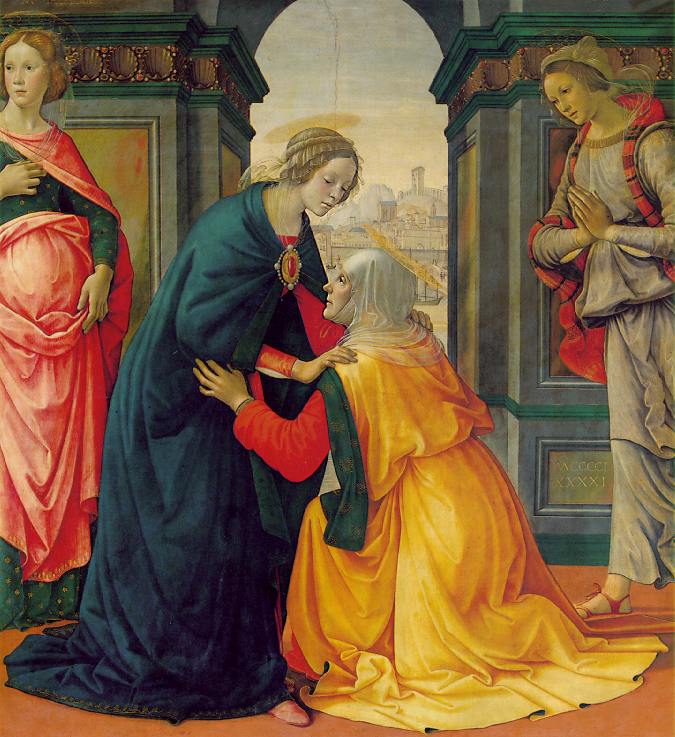
  The Visitation

Feast of the Visitation


What an easily-overlooked but beautiful Feast the Visitation is! Begun by St. Bonaventure among the Franciscans in A.D. 1263, it became a universal Feast in 1389, during the papacy of Urban VI. This Feast commemorates what is the second Joyful Mystery of the Rosary: Our Lady’s visit to her cousin, Elizabeth, who was six months pregnant with St. John the Baptist at the time. At the end of the Archangel Gabriel’s Annunciation to Our Lady that she will conceive, he tells her that her cousin, Elizabeth, an older woman thought barren, will also conceive. The story as told in the first chapter of Luke (verses 37-47 of this chapter form the Gospel reading for today), the words in italics being the prayer known as “The Magnificat”:

And behold thy cousin Elizabeth, she also hath conceived a son in her old age; and this is the sixth month with her that is called barren: Because no word shall be impossible with God. And Mary said: Behold the handmaid of the Lord; be it done to me according to thy word. And the angel departed from her. And Mary rising up in those days, went into the hill country with haste into a city of Juda. And she entered into the house of Zachary, and saluted Elizabeth. And it came to pass, that when Elizabeth heard the salutation of Mary, the infant leaped in her womb. And Elizabeth was filled with the Holy Ghost: And she cried out with a loud voice, and said: Blessed art thou among women, and blessed is the fruit of thy womb. And whence is this to me, that the mother of my Lord should come to me? For behold as soon as the voice of thy salutation sounded in my ears, the infant in my womb leaped for joy. And blessed art thou that hast believed, because those things shall be accomplished that were spoken to thee by the Lord. And Mary said: My soul doth magnify the Lord. And my spirit hath rejoiced in God my Saviour. Because he hath regarded the humility of his handmaid; for behold from henceforth all generations shall call me blessed. Because he that is mighty, hath done great things to me; and holy is his name. And his mercy is from generation unto generations, to them that fear him. He hath shewed might in his arm: he hath scattered the proud in the conceit of their heart. He hath put down the mighty from their seat, and hath exalted the humble. He hath filled the hungry with good things; and the rich he hath sent empty away. He hath received Israel his servant, being mindful of his mercy: As he spoke to our fathers, to Abraham and to his seed for ever. And Mary abode with her about three months; and she returned to her own house. Now Elizabeth’s full time of being delivered was come, and she brought forth a son.

It’s strange that this Feast should come after 1 the Feast of St. John which we just celebrated eight days ago, but this is the day after the octave of his birthday and helps explain why his birth was so important. It was at the Visitation that St. John, along with his mother, were filled with the Holy Ghost, the cause of his being born without the stain of original sin. It is today that our Redeemer, Our Lady, and the one about whom Christ said “there hath not risen among them that are born of women a greater than John the Baptist” all came together, the three pure ones all born without sin after the Fall (of course, Christ and His mother were also conceived without sin). But this Feast says something very profound about Mary and who she is. Compare how St. Luke describes Mary’s visit with how David’s visit to the Ark of the Covenant is described in II Kings (2 Samuel in some Bibles):  

II Kings 6:2 And David arose and went, with all the people that were with him of the men of Juda to fetch the ark of God, upon which the name of the Lord of hosts is invoked, who sitteth over it upon the cherubims.

Luke 1:39 And Mary rising up in those days, went into the hill country with haste into a city of Juda

II Kings l 6:9 And David was afraid of the Lord that day, saying: How shall the ark of the Lord come to me?

Luke 1:43 And whence is this to me, that the mother of my Lord should come to me?

II Kings 6:11 And the ark of the Lord abode in the house of Obededom the Gethite three months…

Luke 1:56 And Mary abode with her about three months; and she returned to her own house…

II Kings 6:16 And when the ark of the Lord was come into the city of David, Michol the daughter of Saul, looking out through a window, saw king David leaping and dancing before the Lord [His Presence over the Ark]

Luke 1:41 And it came to pass, that when Elizabeth heard the salutation of Mary, the infant leaped in her womb.

St. Luke clearly wants us to see Our Lady as the Ark of the New Covenant, the bearer the Word just as the Ark of the Old Covenant carried the tablets containing the ten words of God; the one who bore the Root of Jesse Who came back to life in three days, just as the Ark of the Old Covenant carried Aaron’s rod which sprouted; the one who bore the Bread of Life just as the Ark of the Old Covenant carried some of the manna that sustained the children of Israel in the desert. St. John the Evangelist wrote of this same Truth when he described his Heavenly vision in Apocalypse 11:19-12:1-5:

And the temple of God was opened in heaven: and the ark of his testament was seen in his temple, and there were lightnings, and voices, and an earthquake, and great hail. And a great sign appeared in heaven: A woman clothed with the sun, and the moon under her feet, and on her head a crown of twelve stars: And being with child, she cried travailing in birth, and was in pain to be delivered. And there was seen another sign in heaven: and behold a great red dragon, having seven heads, and ten horns: and on his head seven diadems: And his tail drew the third part of the stars of heaven, and cast them to the earth: and the dragon stood before the woman who was ready to be delivered; that, when she should be delivered, he might devour her son. And she brought forth a man child, who was to rule all nations with an iron rod: and her son was taken up to God, and to his throne.

These verses and the words of St. St. Gregory Thaumaturgus (a.k.a. Gregory of Neocaesarea, A.D. 213 – ca. 270) remind us who Mary is:

And thus she received the word, and in the due time of the fulfilment according to the body’s course she brought forth the priceless pearl. Come, then, ye too, dearly beloved, and let us chant the melody which has been taught us by the inspired harp of David, and say, “Arise, O Lord, into Thy rest; Thou, and the ark of Thy sanctuary.” For the holy Virgin is in truth an ark, wrought with gold both within and without, that has received the whole treasury of the sanctuary.

Pray the words of St. Athanasius and realize the depths of Mary’s beauty! Turn to her to intercede for us with her Son:

O noble Virgin, truly you are greater than any other greatness. For who is your equal in greatness, O dwelling place of God the Word? To whom among all creatures shall I compare you, O Virgin? You are greater than them all, O Ark of the Covenant, clothed with purity instead of gold! You are the Ark in which is found the golden vessel containing the true manna, that is, the flesh in which Divinity resides.

Turn to Our Lady!  

Footnote: 1 This Feast was moved to May 31 on the Novus Ordo calendar, which is the date of Feast of the Queenship of the Blessed Virgin Mary on the traditional calendar.


Permanent link to this article: https://luisapiccarreta.com/feast-of-the-visitation/

FEAST OF THE MOST PRECIOUS BLOOD OF OUR LORD JESUS CHRIST

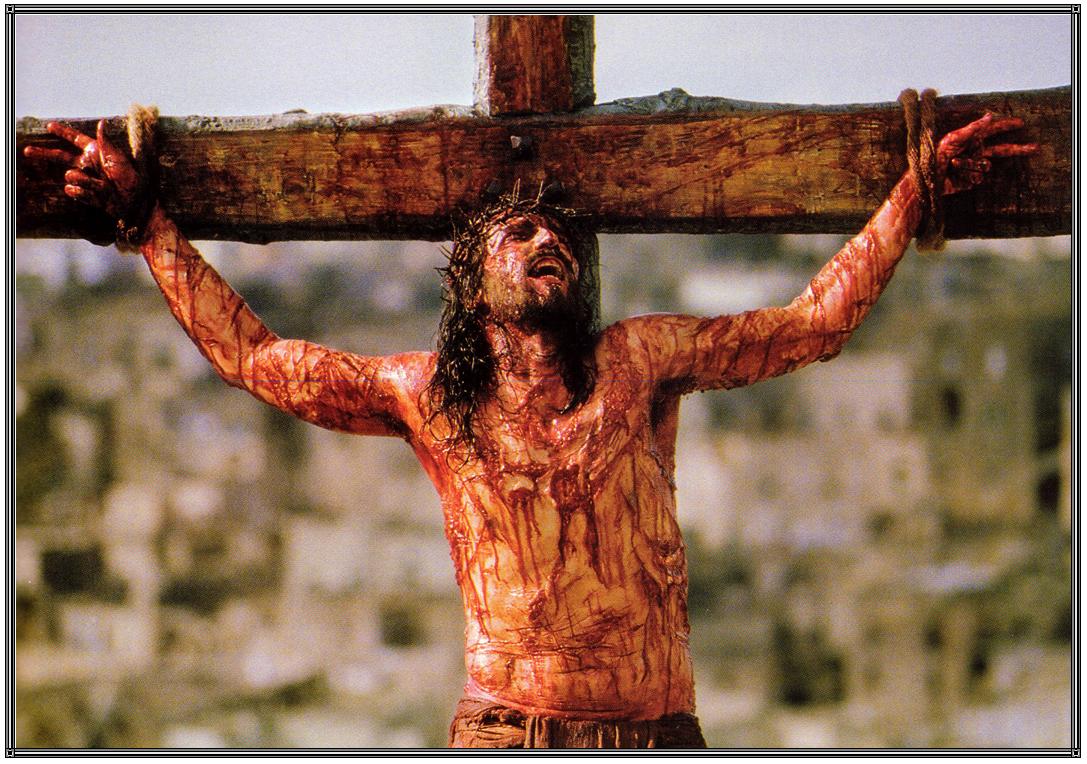
passion_movie_cross

July 1 A.D. 2014 – The Most Precious Blood of Our Lord

Calendar for the Traditional Roman Rite

According to the Traditional Catholic Calendars of 1962 and previous, is the Feast of the Most Precious Blood of Our Lord Jesus Christ. After Vatican II, this Feast day was combined with Corpus Christi. In the 1969 Calendar, Corpus Christi is officially called the Solemnity of the Body and Blood of Christ. However, for those Catholics who like to follow the Traditional Calendar, today is a day to especially remember the price of our salvation – the Blood of Jesus Christ. Today we remember His blood spilt not only on the Cross but also in the Circumcision, Agony in the Garden of Gethsemane, Scourging at the Pillar of Flagellation, and the Crowning with Thorns.

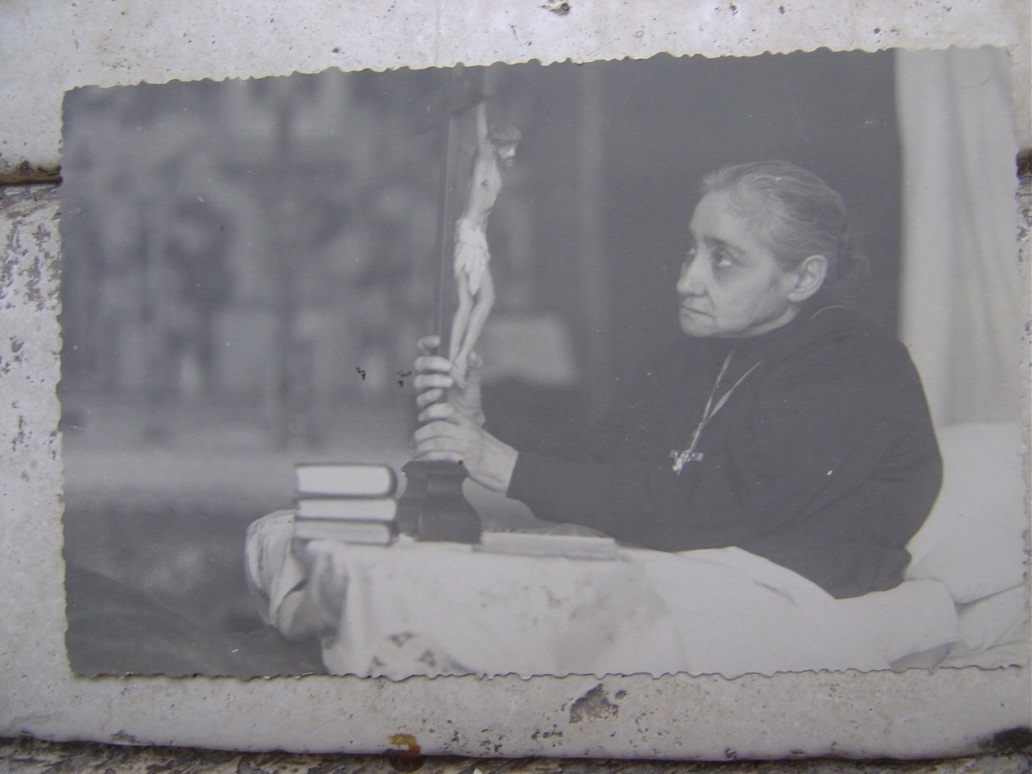
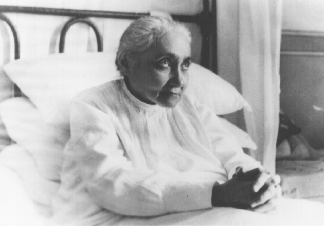
 LUISA PRAYING BEFORE THE CRUCIFIX

Luisa’s prayer from the Hours of the Passion

O my Jesus Crucified, I adore your most precious Blood; I kiss your wounds one by one, intending to lavish in them all my love, my adorations, my most heartfelt reparations. May your Blood be for all souls, light in darkness, comfort in sufferings, strength in weakness, forgiveness in guilt, help in temptations, defense in dangers, support in death, and wings to carry them all from this earth up to Heaven.

 Month of the Precious Blood

 The month of July is dedicated to the Precious Blood. The feast of the Precious Blood of our Lord was instituted in 1849 by Pius IX, but the devotion is as old as Christianity. The early Fathers say that the Church was born from the pierced side of Christ, and that the sacraments were brought forth through His Blood.

“The Precious Blood which we worship is the Blood which the Savior shed for us on Calvary and reassumed at His glorious Resurrection; it is the Blood which courses through the veins of His risen, glorified, living body at the right hand of God the Father in heaven; it is the Blood made present on our altars by the words of Consecration; it is the Blood which merited sanctifying grace for us and through it washes and beautifies our soul and inaugurates the beginning of eternal life in it.”

The Old Testament

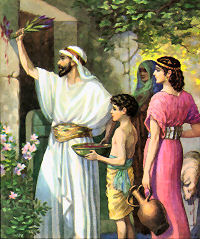
sPRINKLING OF BLOOD IN THE DOOR POSTS

 Cain and Abel are making an offering. Abel’s sacrifice is pleasing to God, Cain’s is not. This gives rise to the sin of hatred, and fratricide is its resolution. The thirsting earth soaks up Abel’s blood as it shouts to heaven for vengeance. This shouting prefigured the scene on Calvary, where Christ’s Blood cried to heaven for the redemption of mankind.

Millenia pass, and now we see Israel oppressed by Egypt. God commands the people to kill a lamb and to sprinkle the doorposts with its blood; houses thus besprinkled are spared by the messenger of death. But where the doors are not reddened with the blood of the lamb, all male firstborn from king to slave die. This blood on the doorposts was a type of the Blood of Christ. Can the blood of a lamb save a man? No, but as a figure of the Redeemer’s Blood it certainly does. For when the Destroyer sees the thresholds of a human heart marked with Christ’s sacred Blood, he must pass by. And another soul is saved.

In a vision the prophet Isaias saw a man treading out grapes (in the Orient, trampling upon grapes in the wine-press was the usual means of extracting the juice). The prophet asked the man: “Why are your garments so red? “The wine-press I have trodden alone,” he answers, “because from the nations there is no one with me.” The trodder of the wine-press is Christ, His garments crimsoned by the Blood of redemption.

Excerpted from The Church’s Year of Grace , Pius Parsch

The New Testament

 fEET OF jESUS

The Church reminds us of the first drops of blood that flowed for our redemption on the day when Jesus was circumcised.

It is night on Mount Olivet, and the moon is shining. We see the holy face crimsoned with blood during the agony in the garden.

Unhappy, despairing Judas casts the blood-money down in the temple. “I have betrayed innocent blood!”

In the scourging chamber we see the Lord in deepest humiliation; under raw strokes the divine Blood spurts out over the floor. Christ is led before Pilate. Pilate shows the blood-covered Body to the crowds: Ecce homo! We go through Jerusalem’s streets following the bloody footsteps to Golgotha. Down the beams of the Cross blood trickles. A soldier opens the sacred side. Water and Blood.

Excerpted from The Church’s Year of Grace , Pius Parsch


Symbols of the Precious Blood

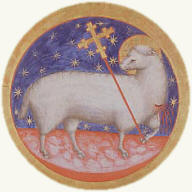
 THE LAMB SYMBOL OF HE PRECIOUS BLOOD

Adam is sleeping an ecstatic sleep. God opens his side, removes a rib and forms Eve, the mother of all the living. But our view transcends this action and in spirit we behold the second, the divine Adam, Christ. He is sleeping the sleep of death. From His opened side blood and water flow, symbols of baptism and the Eucharist, symbols of the second Eve, the Church, the Mother of all the living. Through blood and water Christ willed to redeem God’s many children and to lead them to an eternal home.

At Jerusalem a service in Yahweh’s honor is taking place on the Day of Atonement. The high priest is making his annual entrance into the holy of holies to sprinkle the blood of bucks and bulls upon the covenant in expiation for the sins of the people. The Church shows us the higher meaning of this rite. Our divine High Priest Christ on the first Good Friday entered that Holy of Holies which is not made with hands nor sprinkled with the blood of bucks and bulls; there He effects, once and for all, with His own Blood man’s eternal redemption.

A finale. Holy Church transports us to the end. The heavenly liturgy is in progress. Upon the altar is the Lamb, slain yet alive, crimsoned by His own Blood. Round about stand the countless army of the redeemed in garments washed white in the Blood of the Lamb. Hosts of the blessed are singing the new canticle of redemption: “You have redeemed us out of every tribe and tongue and nation by Your Blood.”

Now from vision to present reality. How fortunate we are to have divine Blood so near to us, to offer it to the heavenly Father for the sins of the whole world!

Excerpted from The Church’s Year of Grace , Pius Parsch

Devotion to the Precious Blood

 Devotion to the Precious Blood is not a spiritual option, it is a spiritual obligation, and that not only for priests, but for every follower of Christ. I really believe that one of the symptoms of modern society (and I would even include, sadly, modern Catholic society) one of the symptoms of a growing, gnawing secularism is the lessening and the weakening of devotion to the Precious Blood. Devotion, as we know, is a composite of three elements: It is first- veneration, it is secondly- invocation, and it is thirdly- imitation. In other words, devotion to the Precious Blood of Christ, the Lamb of God who was slain, is first of all to be veneration on our part, which is a composite of knowledge, love and adoration. We are to study to come to a deeper understanding of what those two casual words, Precious Blood, really mean.

I found this passage in the oldest document, outside of sacred scripture, from the first century of the Christian era – to be exact, from Pope St. Clement I, dated about 96 A.D. Says Pope Clement: “Let us fix our gaze on the Blood of Christ and realize how truly precious It is, seeing that it was poured out for our salvation and brought the grace of conversion to the whole world.”

To understand the meaning of the Precious Blood we must get some comprehension of the gravity of sin, of the awfulness of offending God, because it required the Blood of the Son of God to forgive that sin. We are living in an age in which to sin has become fashionable.

This veneration of the Precious Blood, which is the first element in our devotion to the Precious Blood means that we have a deep sensitivity to the awfulness of sin. Sin must be terrible. It must be awful. It must be the most dreadful thing in the universe. Why? Because it cost the living God in human form the shedding of His Blood.

Lord Jesus, You became Man in order by your Passion and Death and the draining of your Blood on the Cross, might prove to us how much You, our God, love us. Protect us, dear Jesus, from ever running away from the sight of blood. Strengthen our weak human wills so that we will not only not run away from the cross, but welcome every opportunity to shed our blood in spirit in union with your Precious Blood, so that, dying to ourselves in time we might live with You in Eternity. Amen


Permanent link to this article: https://luisapiccarreta.com/feast-of-the-most-precious-blood-of-our-lord-jesus-christ/

Prayer For the Glorification of the Servant of God LUISA PICCARRETA

Prayer For the Glorification of the Servant of God

LUISA PICCARRETA

ECHO THE PRAYERS OF LUISA TO THE MOST HOLY TRINITY

Oh august and Most Holy Trinity, Father, Son and Holy Spirit, we praise and thank You for the gift of the holiness of Your faithful servant Luisa Piccarreta. She lived, Oh Father, in Your Divine Will, becoming under the action  of the Holy Spirit, in conformity with Your Son,  obedient even to the death on the cross, victim and host pleasing to You,  thus cooperating in the work of Redemption of mankind. 
Her virtues of obedience, humility, supreme love for Christ and the Church,  lead us to ask You for the gift of her glorification on earth,  so that Your Glory may shine before all, and Your Kingdom of truth, justice and love,  may spread all over the world in the particular charisma of the
Fiat Voluntas tua sicut in Caelo et in terra. 
We appeal to her merits to obtain from You, Most Holy Trinity the particular grace for which we pray to You with the intention to fulfill Your Divine Will.  Amen.
 +Archbishop Givoan Battista Pichierri
Three Glory be,
Our Father
Queen of all Saints, pray for us.
  Trani, October 29, 2005

Permanent link to this article: https://luisapiccarreta.com/prayer-for-the-glorification-of-the-servant-of-god-luisa-piccarreta-17/

FROM THE LETTERS OF LUISA PICCARRETA

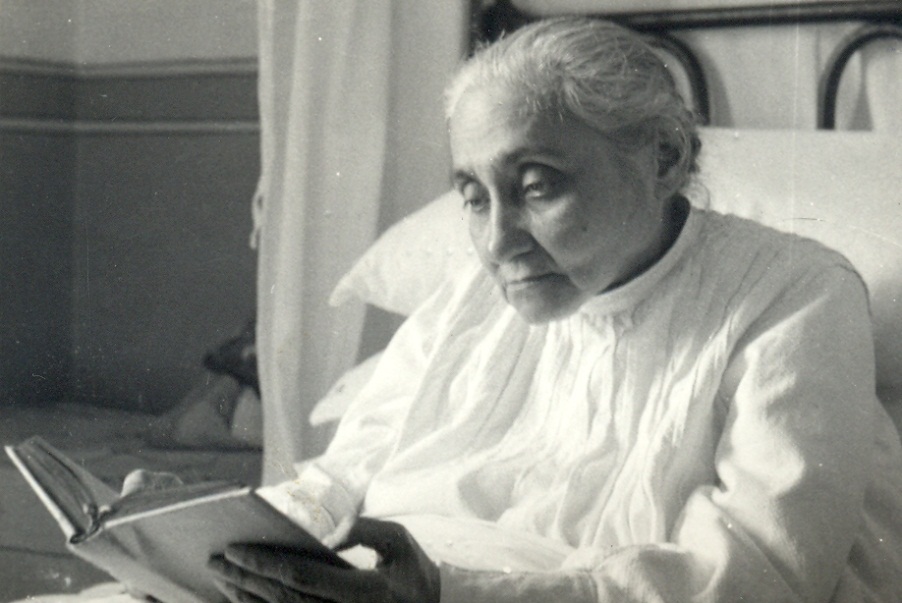
 LUISA READING HOLY SCRIPTUE

FROM THE LETTERS OF THE SERVANT OF GOD LUISA PICCARRETA

The Little Daughter of the Divine Will


Letter # 2

Fiat!

The mind toward Heaven, the gaze to the Cross, the heart loving Him, the arms always in the act of hugging Him, the steps calling Him, the words saying always “Fiat”. In each thing never escape from acquiring a degree of sanctity. Make yourself a saint; Jesus wants it, make Him content.

The little daughter of the Divine Will

 Letter # 11

In Voluntate Dei!

My good daughter in the Divine Volition,

My daughter, by doing the Divine Will, we become true children of the great Lady, and we are transformed into Tabernacles, in which Jesus forms His residence; and then everything we do is sacred, everything is prayer, even the most indifferent things. By doing the Divine Will, the very natural things necessary to our life, are transformed into prayer, adoration and love for our sweet Jesus, because by doing His Will, everything we do is holy, everything is love, and so our being becomes.

The little daughter of the Divine Will


Permanent link to this article: https://luisapiccarreta.com/from-the-letters-of-luisa-piccarreta/

FEAST OF STS. PETER AND PAUL

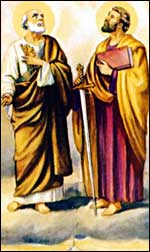
Sts. Peter and Paul

 STS. PETER AND PAUL

SUNDAY, JUNE 29, 2014

Pope Francis’ Homily for the Feast of Saints Peter and Paul

“The witness of the Apostle Peter reminds us that our true refuge is trust in God”

Vatican City, June 29, 2014 (Zenit.org)

Here is the translation of the Pope’s homily during the Mass of the Feast of Saints Peter and Paul, which was celebrated at St. Peter’s Basilica this morning.

On this Solemnity of Saints Peter and Paul, the principal patrons of Rome, we welcome with joy and gratitude the Delegation sent by the Ecumenical Patriarch, our venerable and beloved brother Bartholomaios, and led by Metropolitan Ioannis. Let us ask the Lord that this visit too may strengthen our fraternal bonds as we journey toward that full communion between the two sister Churches which we so greatly desire.

“Now I am sure that the Lord has sent his angel and rescued me from the hand of Herod” (Acts 12:11). When Peter began his ministry to the Christian community of Jerusalem, great fear was still in the air because of Herod’s persecution of members of the Church. There had been the killing of James, and then the imprisonment of Peter himself, in order to placate the people. While Peter was imprisoned and in chains, he heard the voice of the angel telling him, “Get up quickly… dress yourself and put on your sandals… Put on your mantle and follow me!” (Acts 12:7-8). The chains fell from him and the door of the prison opened before him. Peter realized that the Lord had “rescued him from the hand of Herod”; he realized that the Lord had freed him from fear and from chains. Yes, the Lord liberates us from every fear and from all that enslaves us, so that we can be truly free. Today’s liturgical celebration expresses this truth well in the refrain of the Responsorial Psalm: “The Lord has freed me from all my fears”.

The problem for us, then, is fear and looking for refuge in our pastoral responsibilities.

I wonder, dear brother bishops, are we afraid? What are we afraid of? And if we are afraid, what forms of refuge do we seek, in our pastoral life, to find security? Do we look for support from those who wield worldly power? Or do we let ourselves be deceived by the pride which seeks gratification and recognition, thinking that these will offer us security? Dear brother bishops, where do we find our security?

The witness of the Apostle Peter reminds us that our true refuge is trust in God. Trust in God banishes all fear and sets us free from every form of slavery and all worldly temptation. Today the Bishop of Rome and other bishops, particularly the metropolitans who have received the pallium, feel challenged by the example of Saint Peter to assess to what extent each of us puts his trust in the Lord.

Peter recovered this trust when Jesus said to him three times: “Feed my sheep” (Jn 21: 15,16,17). Peter thrice confessed his love for Jesus, thus making up for his threefold denial of Christ during the passion. Peter still regrets the disappointment which he caused the Lord on the night of his betrayal. Now that the Lord asks him: “Do you love me?”, Peter does not trust himself and his own strength, but instead entrusts himself to Jesus and his mercy: “Lord, you know everything; you know that I love you” (Jn 21:17). Precisely at this moment fear, insecurity and cowardice dissipate.

Peter experienced how God’s fidelity is always greater than our acts of infidelity, stronger than our denials. He realizes that the God’s fidelity dispels our fears and exceeds every human reckoning. Today Jesus also asks us: “Do you love me?”. He does so because he knows our fears and our struggles. Peter shows us the way: we need to trust in the Lord, who “knows everything” that is in us, not counting on our capacity to be faithful, but on his unshakable fidelity. Jesus never abandons us, for he cannot deny himself (cf.2 Tim 2:13). He is faithful. The fidelity which God constantly shows to us pastors, far in excess of our merits, is the source of our confidence and our peace. The Lord’s fidelity to us keeps kindled within us the desire to serve him and to serve our sisters and brothers in charity.

The love of Jesus must suffice for Peter. He must no longer yield to the temptation to curiosity, jealousy, as when, seeing John nearby, he asks Jesus: “Lord, what about this man?” (Jn 21:21). But Jesus, before such temptations, says to him in reply: “What is it to you? Follow me” (Jn 21:22). This experience of Peter is a message for us too, dear brother archbishops. Today the Lord repeats to me, to you, and to all pastors: Follow me! Waste no time in questioning or in useless chattering; do not dwell on secondary things, but look to what is essential and follow me. Follow me without regard for the difficulties. Follow me in preaching the Gospel. Follow me by the witness of a life shaped by the grace you received in baptism and holy orders. Follow me by speaking of me to those with whom you live, day after day, in your work, your conversations and among your friends. Follow me by proclaiming the Gospel to all, especially to the least among us, so that no one will fail to hear the word of life which sets us free from every fear and enables us to trust in the faithfulness of God. Follow me!

 STS. PETER AND PAUL

SUNDAY, JUNE 29, 2014

 On June 29 the Church celebrates the feast day of Sts. Peter & Paul. As early as the year 258, there is evidence of an already lengthy tradition of celebrating the solemnities of both Saint Peter and Saint Paul on the same day. Together, the two saints are the founders of the See of Rome, through their preaching, ministry and martyrdom there.

Peter, who was named Simon, was a fisherman of Galilee and was introduced to the Lord Jesus by his brother Andrew, also a fisherman. Jesus gave him the name Cephas (Petrus in Latin), which means ‘Rock,’ because he was to become the rock upon which Christ would build His Church.

Peter was a bold follower of the Lord. He was the first to recognize that Jesus was “the Messiah, the Son of the living God,” and eagerly pledged his fidelity until death. In his boldness, he also made many mistakes, however, such as losing faith when walking on water with Christ and betraying the Lord on the night of His passion.

Yet despite his human weaknesses, Peter was chosen to shepherd God’s flock. The Acts of the Apostles illustrates his role as head of the Church after the Resurrection and Ascension of Christ. Peter led the Apostles as the first Pope and ensured that the disciples kept the true faith.

St. Peter spent his last years in Rome, leading the Church through persecution and eventually being martyred in the year 64. He was crucified upside-down at his own request, because he claimed he was not worthy to die as his Lord.

He was buried on Vatican hill, and St. Peter’s Basilica is built over his tomb.

St. Paul was the Apostle of the Gentiles. His letters are included in the writings of the New Testament, and through them we learn much about his life and the faith of the early Church.

Before receiving the name Paul, he was Saul, a Jewish pharisee who zealously persecuted Christians in Jerusalem. Scripture records that Saul was present at the martyrdom of St. Stephen.

Saul’s conversion took place as he was on his way to Damascus to persecute the Christian community there. As he was traveling along the road, he was suddenly surrounded by a great light from heaven. He was blinded and fell off his horse. He then heard a voice saying to him, “Saul, Saul, why do you persecute me?” He answered: “Who are you, Lord?” Christ said: “I am Jesus, whom you are persecuting.”

Saul continued to Damascus, where he was baptized and his sight was restored. He took the name Paul and spent the remainder of his life preaching the Gospel tirelessly to the Gentiles of the Mediterranean world.

Paul was imprisoned and taken to Rome, where he was beheaded in the year 67.

He is buried in Rome in the Basilica of St. Paul Outside the Walls.

In a sermon in the year 395, St. Augustine of Hippo said of Sts. Peter and Paul: “Both apostles share the same feast day, for these two were one; and even though they suffered on different days, they were as one. Peter went first, and Paul followed. And so we celebrate this day made holy for us by the apostles’ blood. Let us embrace what they believed, their life, their labors, their sufferings, their preaching, and their confession of faith.”


Permanent link to this article: https://luisapiccarreta.com/feast-of-sts-peter-and-paul/